CaribbeanKY

Cayman Islands: the web3 and fund gold standard

The Cayman Islands is the institutional gold standard for web3. The Foundation Company is the leading DAO and protocol wrapper, and its fund vehicles dominate institutional digital-asset structuring. It is used for serious capital and credibility, and as a base of high-end web3 structuring expertise. It is typically not used for the token issuance step itself.

Explore the jurisdiction
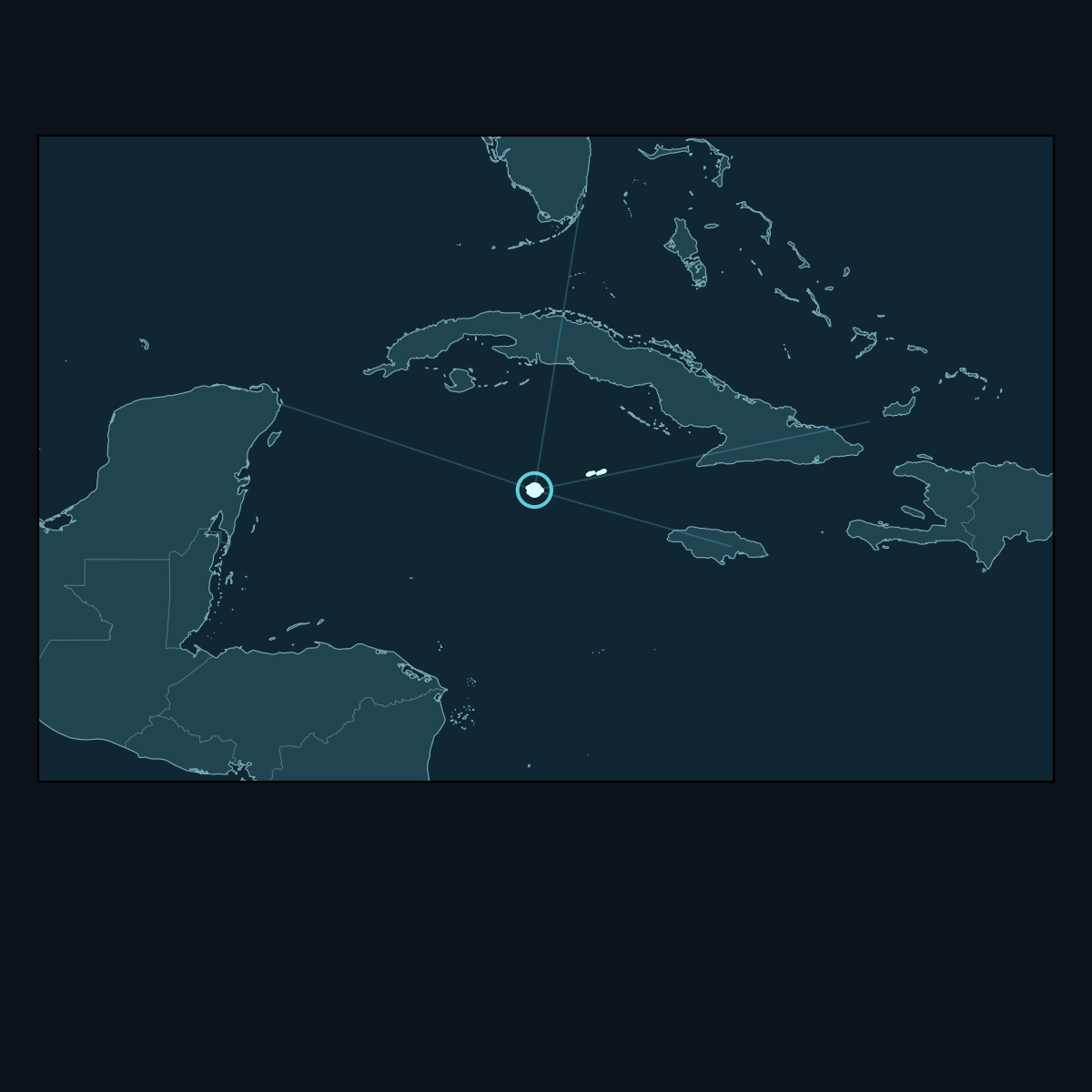
Regional map highlighting Cayman Islands within its wider geographic context

Jurisdiction profile

Cayman Islands

KY

Key characteristics

At a glance

Tax
0% corporate, income and capital gains tax
Setup time
3–7 business days (entity); weeks (funds/VASP)
Cost band
High ($15,000–$30,000+ setup)
Substance
Required for regulated entities and some IP use cases
Best for
Institutional funds, regulated RWA tokenization, sophisticated investors, large-scale projects

The jurisdiction

What it is

Cayman is arguably the world's leading jurisdiction for web3 structuring. If you're launching a protocol, setting up a multi-million-dollar tokenized fund, or need a well-established legal wrapper for your DAO's treasury, Cayman is the go-to jurisdiction. It may not be the cheapest jurisdiction, but it delivers the legal certainty and institutional credibility that Tier 1 investors demand. As a globally recognized premier offshore financial center, the Cayman Islands is also renowned for its robust legal system, political stability and sophisticated financial-services industry.

The case for it

Why web3 teams use Cayman Islands

01

Institutional credibility and global acceptance

The Cayman Islands is a well-established, highly reputable common-law jurisdiction. Its role as the leading centre for the international fund industry means it has built up credibility with institutions and policymakers around the world. Alongside this, a thriving professional-services sector gives it a major base of talent and expertise.

02

DAO wrapper: the Foundation Company

The Cayman Islands Foundation Company (CFC) has emerged as the leading legal wrapper for Decentralized Autonomous Organizations (DAOs) and decentralized protocols. With its separate legal personality, lack of shareholders, and ability to be governed by a Supervisor and Directors rather than traditional equity holders, the CFC offers an 'orphan' structure that aligns with the decentralized ethos of web3 projects, providing liability protection and legal certainty for DAO treasuries and governance.

03

Web3 project wrappers

Alongside DAOs, the Cayman Foundation Company is also used for non-DAO protocols and to hold and structure other web3 projects. It is a very flexible tool.

04

Flexible and sophisticated fund structures

The jurisdiction offers a diverse array of versatile fund structures, including Exempted Companies, Segregated Portfolio Companies (SPCs) and Exempted Limited Partnerships (ELPs). These structures are highly adaptable for various web3 fund strategies, RWA tokenization SPVs and complex multi-entity setups, allowing for efficient asset segregation and risk management.

05

Robust regulatory framework for digital assets

The Cayman Islands Monetary Authority (CIMA) provides a clear, albeit stringent, regulatory framework for virtual asset service providers (VASPs) under the Virtual Asset (Service Providers) Act. This ensures a high level of compliance and investor protection, which is attractive to sophisticated investors and partners. For tokenized funds, the Private Funds Act or Mutual Funds Act apply, requiring registration with CIMA.

06

Tax neutrality

For exempted entities, the Cayman Islands offers a 0% corporate, income and capital gains tax regime. This tax neutrality is a significant advantage, optimizing returns for investors and enhancing the overall financial efficiency of web3 projects.

The constraints

Trade-offs & friction

The strongest jurisdiction on paper may still be the wrong operational fit. These are the issues that usually affect the decision.

Higher costs

Compared to some other offshore jurisdictions, the Cayman Islands generally incurs higher costs for setup, ongoing maintenance and professional services, including legal, accounting and administration. This can be a barrier for very early-stage or bootstrapped projects.

Slower setup for regulated structures

While basic entity incorporation is relatively fast, the process for fund registration, VASP licensing, or obtaining legal opinions for complex tokenization structures can be lengthy, often extending to several weeks or months.

Stringent regulatory oversight

CIMA's robust regulatory environment, while a benefit for credibility, can be perceived as a barrier for projects seeking a lighter-touch approach. Compliance requirements are extensive and demand dedicated resources.

Economic substance requirements

The increasing global focus on economic substance means that certain Cayman entities must demonstrate genuine operational presence and activity within the Islands, which can add to operational complexity and cost. This is particularly relevant for companies using the Cayman Islands to hold IP.

Stringent token issuance rules

Within the Cayman Islands, token issuance is a regulated activity. Founders seeking to move quickly therefore often choose to issue their token elsewhere.

Illustrative role

Place in the multi-entity stack

Cayman Islands entities are used in a variety of ways. Within web3, Cayman typically sits at the top of the entity stack through its foundation structures. Foundations are used as legal wrappers for DAOs and decentralized protocols; they are also often used to structure and manage token treasuries. Foundations typically sit at the top layer — holding the core assets, managing the investment strategy, or providing legal personality for decentralized governance — often with operational entities or token issuers located in other, potentially more agile jurisdictions.

Cayman ELCs are ideal companies to use as international operating vehicles. They also often serve as the primary vehicle for Cayman Islands-based fund structures. ELCs are used as both holding and subsidiary companies.

Illustrative only. The exact entity stack depends on activities, counterparties, tax position and regulatory perimeter.

Project governance

Founders, protocol or investment strategy

Cayman Islands entity

Legal personality, governance and asset separation

Operating stack

Contracts, treasury, IP, investment or issuance entities

Decision context

How it compares

No jurisdiction wins on every dimension. Compare the current option against its closest alternatives before deciding where each entity belongs.

Compare all jurisdictions
DimensionCayman IslandsBritish Virgin IslandsLuxembourg
Primary focusInstitutional funds, structured financeFlexible corporate structures, private offerings, token issuanceEU funds, broader financial services
CostHigherLowerHighest (EU onshore)
SpeedModerate (complex structures take time)Fast (especially for private placements)Slower (EU regulatory processes)
RegulationRobust, CIMA-supervisedAgile, VASP Act (if applicable), SIBAComprehensive (CSSF), EU directives
Web3 use caseInstitutional RWA, regulated fundsToken issuance, RWA tokenization, operating entitiesRegulated EU funds, tokenized securities

Frequently asked questions

Is the Cayman Islands a good jurisdiction for crypto and web3 projects?

Yes, the Cayman Islands is an excellent jurisdiction for digital-asset and web3 projects, particularly those involving DAOs, decentralized protocols and treasury management. It is a strong choice for those seeking regulatory credibility and investor trust, and its robust legal framework and tax neutrality are significant advantages. However, it is typically not used for token issuance.

Do I need a CIMA licence for my web3 project in Cayman?

It depends on your activities. If your project involves providing virtual asset services, such as exchange or custody, to third parties, or if you are operating a pooled investment fund, then registration or licensing with CIMA under the VASP Act or relevant fund laws will likely be required. Token issuance also requires CIMA registration.

What are the tax benefits for web3 entities in the Cayman Islands?

Exempted companies in the Cayman Islands benefit from a 0% corporate, income and capital gains tax regime. This tax neutrality means that profits generated by the entity are not subject to local taxation, optimizing returns for investors. Cayman Foundation Companies also benefit from 0% tax.

Can real-world assets (RWAs) be tokenized in the Cayman Islands?

Yes, RWAs can be tokenized in the Cayman Islands. In particular, it is a leading jurisdiction for tokenized funds. Under new legislation, these are exempt from the VASP Act and are instead regulated under fund rules. The Cayman Islands can also be used to issue other RWA tokens. However, because token issuance requires regulatory approvals, Cayman entities are more typically used to hold and structure RWA assets issued elsewhere.

What is a Segregated Portfolio Company (SPC) and how is it used in web3?

An SPC is a single legal entity that can create distinct segregated portfolios, each with its own assets and liabilities legally separated from other portfolios and the SPC itself. In web3, SPCs can be used for RWA tokenization, allowing different tokenized assets or investment strategies to be managed within separate portfolios, thereby isolating risk and enhancing investor protection.

What is a Cayman Islands Foundation Company (CFC) and why is it used for DAOs?

A Cayman Islands Foundation Company is a corporate entity with separate legal personality but no shareholders. It is governed by a board of directors and a supervisor, and its assets are held for specific purposes or beneficiaries. CFCs are widely used as legal wrappers for DAOs because their 'orphan' structure and flexible governance align well with decentralized principles, providing legal certainty and liability protection for DAO treasuries and operations.

What are the typical setup costs for a Cayman web3 entity?

Typical setup costs for a basic Cayman entity or Foundation Company range from $15,000 to $30,000. For complex structures such as regulated funds or VASP-licensed entities, the total costs, including legal opinions, regulatory fees and ongoing administration, can be significantly higher. An additional factor is whether or not you are seeking to hire a director.

Building an institutional-grade structure?

From DAO Foundation Companies to regulated funds and RWA tokenization vehicles, we form and administer Cayman structures end to end — and pair them with more agile jurisdictions where it makes sense.

  • A structuring recommendation, not a sales call
  • Direct answers from people who form these entities
  • No obligation, full confidentiality