CaribbeanVG

British Virgin Islands: the agile gateway for web3 innovation

The BVI is the agile, cost-effective home for web3 token issuance, RWA tokenisation and operating companies. It is fast to incorporate, tax-neutral, and often outside full VASP licensing when you issue only your own token. BVI entities are often seen paired with Cayman Foundation Companies.

Explore the jurisdiction
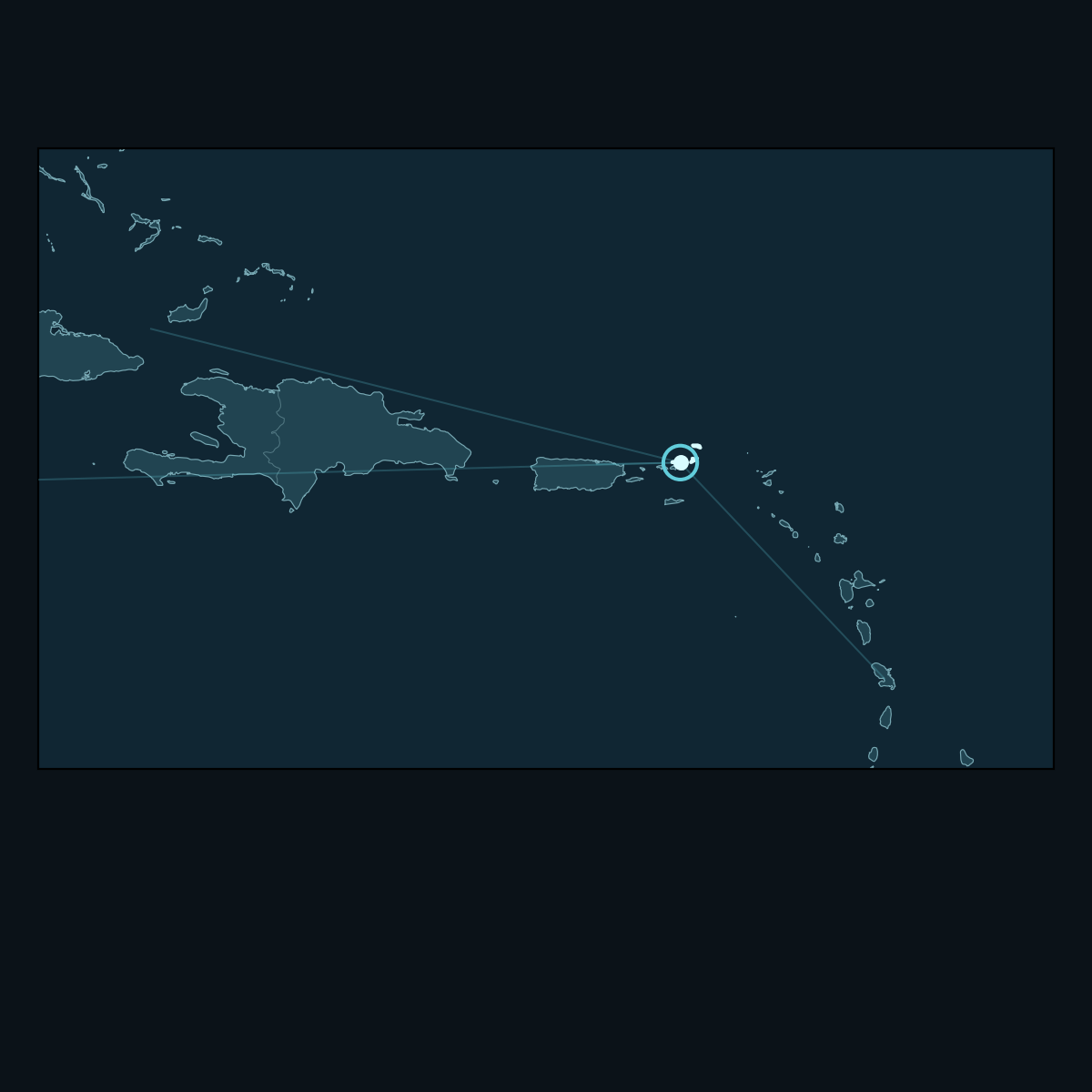
Regional map highlighting British Virgin Islands within its wider geographic context

Jurisdiction profile

British Virgin Islands

VG

Key characteristics

At a glance

Tax
0% corporate, income & capital gains tax
Setup time
2–5 business days (entity); weeks (complex)
Cost band
Low to Medium ($5,000–$15,000+ setup)
Substance
Required for relevant activities
Best for
Token issuance, RWA tokenisation, private funds, flexible corporate structures, rapid deployment

The jurisdiction

What it is

The British Virgin Islands (BVI) is a British Overseas Territory and leading offshore financial center. The birthplace of offshore companies, it is globally recognized for its flexible corporate legislation, legal quality, and tax-neutral environment. It serves as a popular jurisdiction for international business, investment funds, and, increasingly, for web3 projects seeking an agile and cost-effective base for both operations and token issuance.

The BVI emphasises agility and speed. It is the go-to jurisdiction for web3 founders who need to move fast, issue a token, or set up an operational company (OpCo) without drowning in the costs and timelines of heavier regulatory regimes.

The case for it

Why web3 teams use British Virgin Islands

01

The token issuance sweet spot

The BVI Virtual Asset Service Providers (VASP) Act is highly nuanced. If you are simply issuing your own token (whether utility or security) and not running an exchange or custody service for others, you often do not need a full VASP license. This saves months of regulatory headaches and tens of thousands of dollars.

02

RWA tokenization

The BVI Business Companies Act explicitly allows a company to keep its Register of Members on a blockchain. This means you can literally tokenize the equity of a BVI company, making it a powerful tool for RWA projects that want to represent real-world ownership via tokens.

03

Flexible funds

For emerging fund managers, the BVI offers 'Incubator' and 'Approved' fund structures. These allow fund managers to launch a fund with minimal regulatory overhead, letting you build a track record before upgrading to a fully regulated structure.

04

Operating companies

BVI business companies are a solid option as operating entities for international businesses.

The constraints

Trade-offs & friction

The strongest jurisdiction on paper may still be the wrong operational fit. These are the issues that usually affect the decision.

Offshore perceptions

While the BVI has a robust regulatory framework, some perceive offshore jurisdictions as less transparent. Educating investors on the BVI's legal and regulatory strengths is sometimes necessary.

Banking challenges

Opening bank accounts for web3-related entities in any jurisdiction can be challenging, and the BVI is no exception. Due diligence requirements are stringent.

Economic substance requirements

Like other offshore centers, BVI entities engaged in certain activities (e.g., fund management, holding intellectual property) are subject to economic substance requirements, necessitating a demonstrable physical presence and activity in the BVI.

Limited tech talent pool

While professional services are excellent, the local talent pool for highly specialized web3 technical roles may be limited, requiring reliance on remote teams.

Illustrative role

Place in the multi-entity stack

BVI entities are frequently used as the primary SPV for token issuance. This includes utility tokens, governance tokens and security tokens. They often form the core legal wrapper for assets or projects, leveraging their flexibility for private capital raises, and can be nested under or alongside other entities for operational or regulatory purposes. Alongside token issuance, they are often used as operating companies. They can act as standalone entities, but are often seen paired with Cayman Foundations.

Illustrative only. The exact entity stack depends on activities, counterparties, tax position and regulatory perimeter.

Cayman Foundation Company

Top-level foundation, protocol or treasury wrapper

BVI Business Company

Subsidiary company beneath the Cayman foundation

Can be used as

Token issuer

Issues utility, governance or security tokens

Operating company

Contracts, payroll and day-to-day operations

Decision context

How it compares

No jurisdiction wins on every dimension. Compare the current option against its closest alternatives before deciding where each entity belongs.

Compare all jurisdictions
DimensionBritish Virgin IslandsCayman IslandsPanama
Primary web3 focusToken issuance companies, operating companies, private fundsFoundations, treasuries, larger fundsToken issuance, DAOs, treasuries, DeFi, operations
CostLowerHigherLowest
SpeedFastModerateModerate
RegulationAgile, VASP Act (if applicable), SIBARobust, CIMA-supervisedNo VASP regulation; flexible securities regulation
Web3 use caseToken issuance, RWA tokens, fundsDAOs, protocols, treasuries, asset holdingToken issuance, DAOs, protocols, treasuries, asset holding

Frequently asked questions

Is the BVI a good jurisdiction for web3 projects?

Yes, the BVI is a leading web3 jurisdiction. It is particularly useful as a place to issue utility tokens, governance tokens, and security tokens. It is used a lot for RWA tokenisation. With flexible and efficient fund structuring options, it is also used by early-stage digital asset fund managers. Its speed, cost-effectiveness, and clear legal frameworks for private offerings are highly attractive.

Can I tokenize company shares in the BVI?

Absolutely. The BVI Business Companies Act allows for the register of members to be maintained on a distributed ledger, enabling the direct tokenization of a BVI company's shares. This provides a clear legal basis for representing equity ownership with tokens.

Do I need a VASP license in the BVI for RWA tokenisation?

Not necessarily. If your project involves the issuance of your own company's shares or debt tokens under private placement exemptions, and you are not providing virtual asset services as a business to third parties, you may fall outside the direct VASP Act licensing requirements. However, a legal opinion is always recommended.

What are the tax benefits for web3 entities in the BVI?

BVI Business Companies benefit from a 0% corporate, income, and capital gains tax regime. This tax neutrality is a significant advantage, ensuring that profits generated by the entity are not subject to local taxation.

What are redeemable debt tokens in the BVI?

Redeemable debt tokens in the BVI are tokens that represent a debt obligation (e.g., a bond or note) issued by a BVI company. They are structured as 'debentures' under SIBA and can be redeemed by the issuer, often linked to the performance of the underlying RWA. This offers flexibility in structuring investor returns.

What are the typical setup costs for a BVI web3 entity?

Typical setup costs for a BVI Business Company range from under $5,000 to $15,000. This includes incorporation fees and initial legal/corporate services. Ongoing maintenance fees are also competitive.

Looking at the BVI for your structure?

Whether it's an agile token launch, an on-chain share register for RWA tokenisation, or an incubator fund, we form and administer BVI entities end to end — and tell you when another jurisdiction is the better fit.

  • A structuring recommendation, not a sales call
  • Direct answers from people who form these entities
  • No obligation, full confidentiality