Insights on structuring web3 entities
Guides on DAO wrappers, token issuance, fund structuring and jurisdiction selection — from the people who build these structures.

BVI vs Panama for token issuance: which is better?
The BVI and Panama are the two most commonly chosen jurisdictions for offshore token issuance. The BVI is the better choice when regulatory recognition, specific legislative features, or institutional counterparty credibility matter. Panama is the better choice when speed, cost, privacy, and flexibility are the priorities, and regulatory clarity is less important. Most of the time, the right answer depends on what the token is, who is buying it, and what the project needs the issuing entity to d
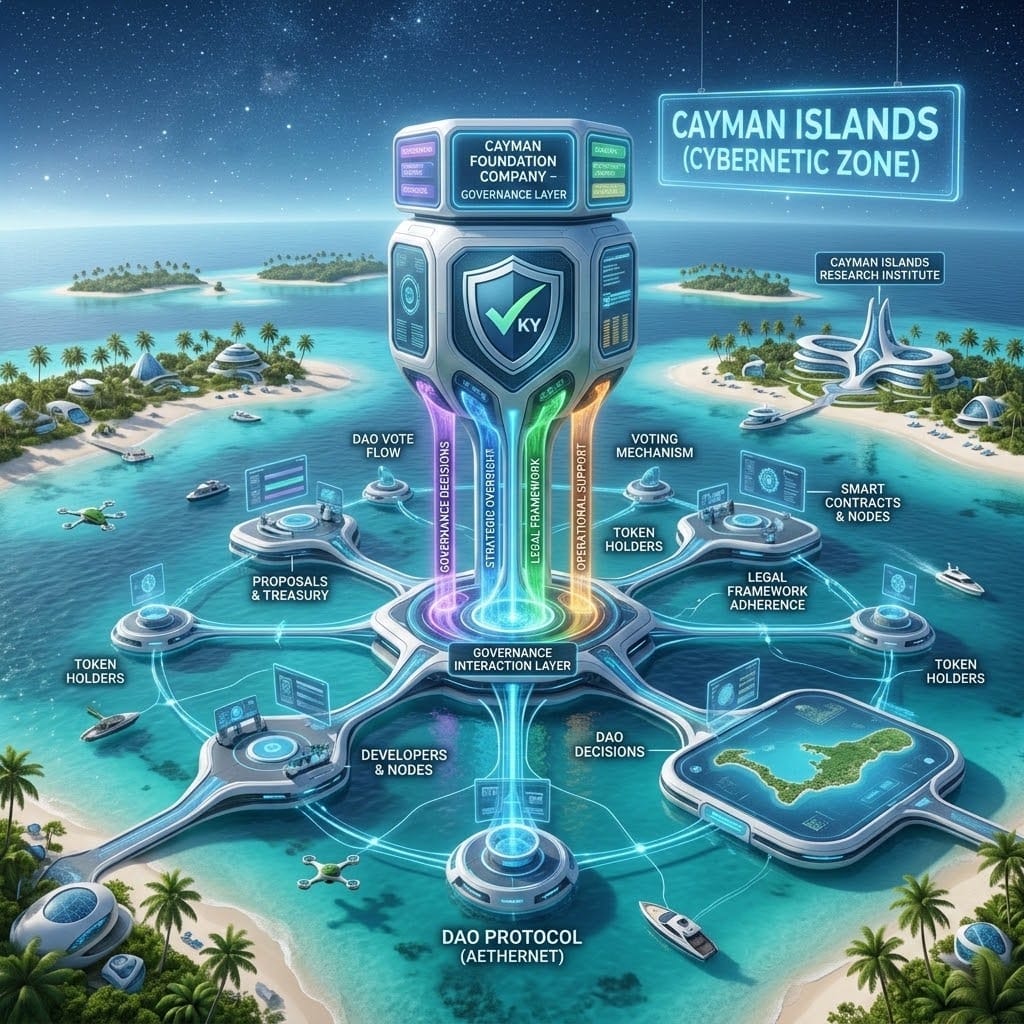
Cayman foundation companies for Web3 projects: why, when, and how to set one up
A Cayman Foundation Company is a company that can choose to have no owners. This unusual feature - the ability to become memberless while retaining full legal personality - is why it has become the default legal wrapper for major DeFi protocols, DAOs, and token issuance projects. The Foundation Companies Act 2017 accidentally produced exactly the structure decentralised communities needed: a legal person with no one behind it. This crucial fact means that Cayman foundations are a tool with which

Why do I need a token issuance vehicle?
If you are launching a token, you probably need a legal entity to issue it from. In many jurisdictions, launching a token is a regulated activity. Launch without a token issuance vehicle, and launch it without a token issuance vehicle in a web3 friendly jurisdiction, and you will have severe regulatory exposure. There are other reasons: issuing a token without a wrapper exposes you personally to the liabilities the token generates, locks you out of the exchanges and banking relationships your pr

What is a governance token?
A governance token confers voting rights in a decentralised protocol, DAO, or blockchain-based system. Holders use governance tokens to vote on parameter changes, protocol upgrades, treasury allocations, and the general direction of a project. The phrase ‘governance token’ originates within the web3 community, as a way to distinguish these tokens from those with other uses. Most would simply lump these tokens in with the wither category of utility tokens. In theory, governance tokens are the mec
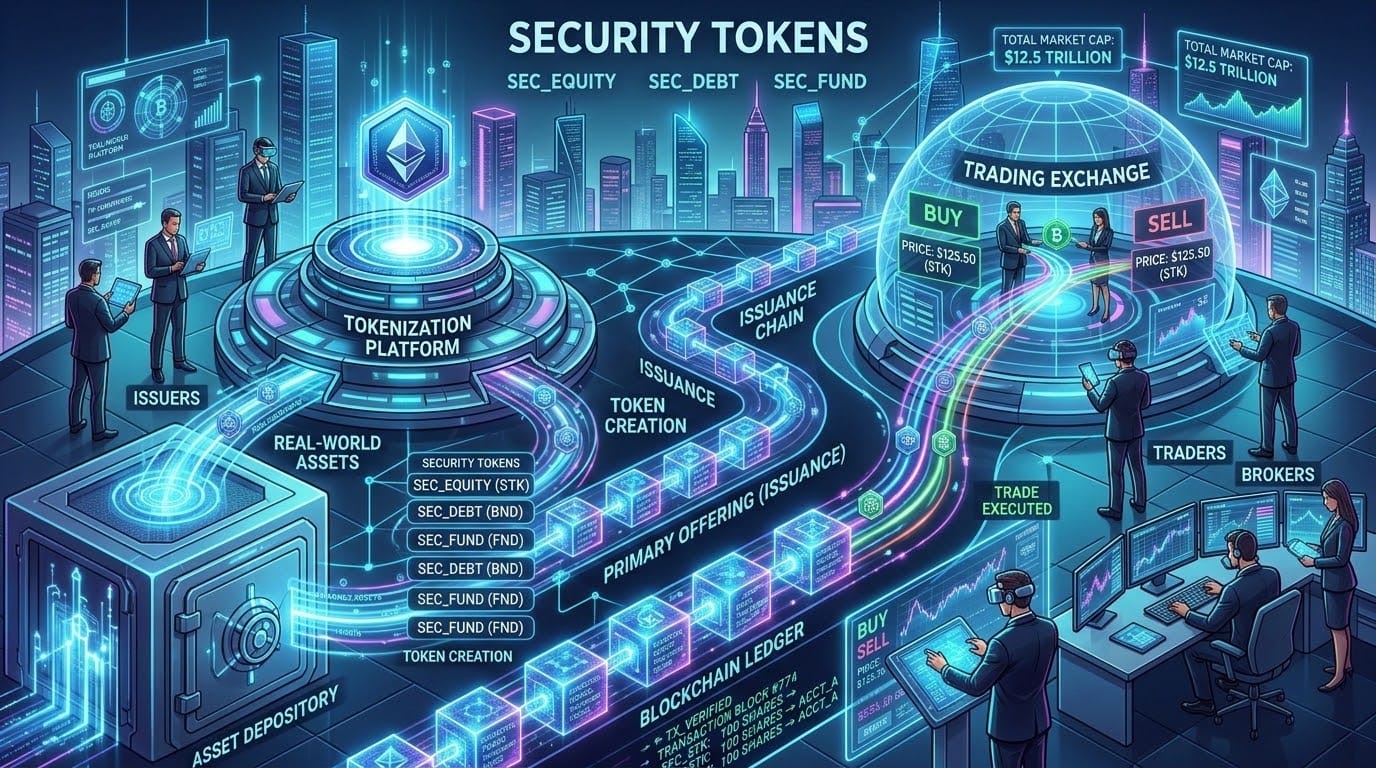
What is a security token?
A security token is a digital token that functions as an investment instrument - conferring equity, debt, profit participation, or asset exposure in a way that makes it economically equivalent to a traditional security. The label on the token is irrelevant. Regulators globally have adopted a substance-over-form approach: if a token functions like a security, it is regulated like one, regardless of whether the issuer calls it a utility token, a governance token, or anything else. Security tokens

What Is a utility token?
A utility token is a digital token designed to provide access to a specific good or service supplied by its issuer. The token's primary purpose is functional - enabling holders to use a platform, purchase in-ecosystem goods, or participate in a specific service - rather than conferring financial rights, profit participation, or investment exposure. The moment a utility token also carries financial characteristics - things like profit participation, investment returns, price appreciation expectat

What is tokenization? A plain-English guide
Tokenization is the process of representing a right, asset, or claim as a digital token on a blockchain. The token is not the thing itself - it is a programmable, transferable record of a legal relationship to the thing. That relationship might be ownership, access, governance participation, income entitlement, or something else entirely. What makes the token interesting is not the cryptography but what legal right it carries - and that question determines almost everything else about how a toke
Tell us what you're building
Share a few details about your protocol, token or fund and we'll come back with the structure and jurisdiction that fit — and what it takes to set it up.
- A structuring recommendation, not a sales call
- Direct answers from people who form these entities
- No obligation, full confidentiality