North AtlanticBM

Bermuda: institutions, insurance, and stablecoins

Bermuda is the institutional, regulated home for serious digital asset businesses — its pioneering Digital Asset Business Act (DABA) gives licensed exchanges, custodians, security token offerings and stablecoin issuers clear legal certainty and 0% corporate tax, at a high cost and licensing timeline that does not suit early-stage or bootstrapped projects.

Explore the jurisdiction
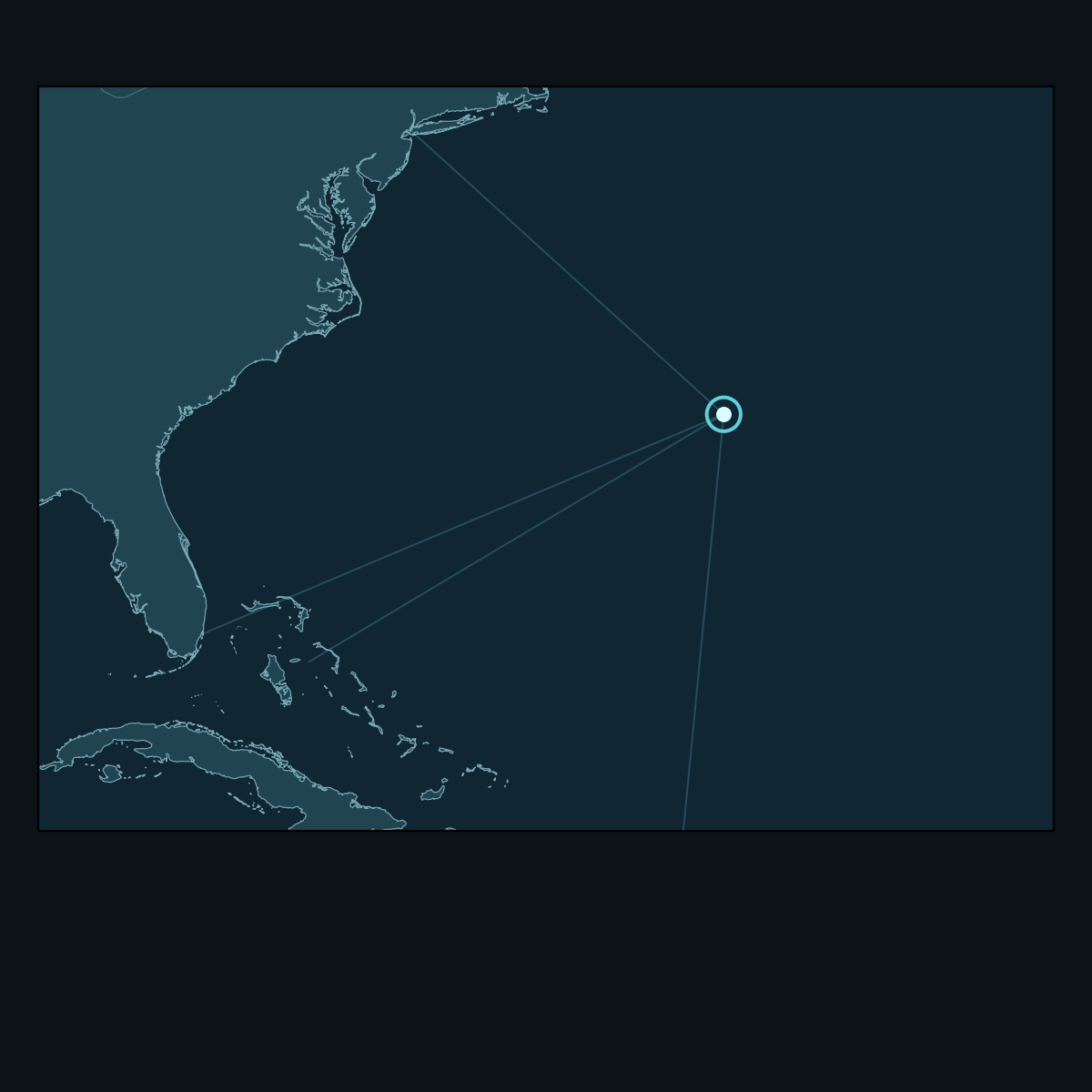
Regional map highlighting Bermuda within its wider geographic context

Jurisdiction profile

Bermuda

BM

Key characteristics

At a glance

Tax
0% corporate income tax
Setup time
4–8 weeks (entity); 3–6 months (DABA license)
Cost band
High ($15,000–$40,000+ setup & licensing)
Substance
Required for regulated entities
Best for
Regulated digital asset businesses, institutional crypto exchanges, VASP operations, security token offerings, stablecoins

The jurisdiction

What it is

Bermuda is a well-established international financial centre, one with a particular focus on serving institutional clients and the insurance sector. A British Overseas Territory — and, contrary to popular misunderstanding, one sitting in the North Atlantic — it has a common law legal system and deep ties to financial markets in the UK and USA. Within the web3 space it is distinguished by its comprehensive and pioneering regulatory framework, DABA.

The case for it

Why web3 teams use Bermuda

01

Pioneering Digital Asset Business Act (DABA)

Bermuda's Digital Asset Business Act (DABA) is a landmark piece of legislation that provides a comprehensive regulatory framework for digital asset businesses. It covers a wide range of activities, including issuance, exchange, custody, and advisory services related to digital assets, offering clear legal certainty.

02

Tiered licensing for scalability

DABA employs a tiered licensing approach, allowing businesses to obtain licenses (e.g., Class M, Class F) commensurate with the scale and complexity of their operations. This flexibility enables startups to begin with lighter licenses and scale up as their business grows, ensuring appropriate regulatory oversight at each stage.

03

Strong regulatory reputation

Bermuda is a well-respected offshore financial center with a long-standing reputation for robust regulation and compliance. This provides significant credibility and comfort to institutional investors, traditional financial partners, and global regulators, making it an attractive jurisdiction for serious web3 ventures.

04

Tax neutrality

Bermuda traditionally offers a 0% corporate income tax. While a new 15% global minimum tax may apply to large multinational groups, it remains a tax-efficient jurisdiction for many digital asset businesses, optimizing returns for investors and operational efficiency.

The constraints

Trade-offs & friction

The strongest jurisdiction on paper may still be the wrong operational fit. These are the issues that usually affect the decision.

High regulatory burden and costs

Obtaining a DABA license involves a rigorous application process and significant ongoing compliance requirements, which can be both time-consuming and expensive. Legal, compliance, and operational costs are generally higher than in lighter-touch jurisdictions.

Slower setup for regulated entities

While entity incorporation can be relatively quick, the process of obtaining a DABA license can take several months (typically 3–6 months), requiring substantial preparation and engagement with the Bermuda Monetary Authority (BMA).

Economic substance requirements

Bermuda has economic substance requirements for entities engaged in certain activities, necessitating a demonstrable physical presence and operational activity on the island. This adds to operational complexity and cost.

Banking challenges

Despite its progressive regulatory stance, securing banking services for digital asset businesses in Bermuda can still be challenging, requiring thorough due diligence and strong compliance frameworks.

Illustrative role

Place in the multi-entity stack

Bermuda entities, particularly those licensed under DABA, typically serve as the regulated operational hub for digital asset businesses within a multi-jurisdictional structure. They are ideally placed to handle regulated activities such as crypto exchanges, custody services, or security token offerings, often complementing other entities in different jurisdictions that might manage specific RWA tokenisation SPVs or private offerings.

Illustrative only. The exact entity stack depends on activities, counterparties, tax position and regulatory perimeter.

Project governance

Founders, protocol or investment strategy

Bermuda entity

Legal personality, governance and asset separation

Operating stack

Contracts, treasury, IP, investment or issuance entities

Decision context

How it compares

No jurisdiction wins on every dimension. Compare the current option against its closest alternatives before deciding where each entity belongs.

Compare all jurisdictions
DimensionBermudaCayman IslandsJersey
Primary focusRegulated digital asset businesses, DABADAOs, foundations, fundsFunds, trusts, foundations, reputable offshore
CostHighHighHigh
SpeedModerateModerateModerate
RegulationComprehensive (BMA, DABA)Robust (CIMA, VASP Act)Robust (JFSC, FS(J)L)
Web3 use caseRegulated exchanges, custody, security tokensInstitutional RWA, regulated funds, DAO CFCRegulated funds, tokenised securities, foundations

Frequently asked questions

Is Bermuda a good jurisdiction for web3 projects?

Bermuda is an excellent jurisdiction for institutional web3 projects — i.e. those that require a comprehensive and robust regulatory framework, and wish to send a strong signal of their overall seriousness. It is also a notably attractive jurisdiction for stablecoin projects, especially those seeking to develop yield-bearing stablecoins. It may not suit early-stage or bootstrapped projects.

What is the Digital Asset Business Act (DABA) in Bermuda?

The Digital Asset Business Act (DABA) is Bermuda's primary legislation for regulating digital asset businesses. It provides a comprehensive framework for licensing and supervising entities engaged in activities such as issuing, selling, exchanging, or providing custody for digital assets.

Do I need a DABA license for my web3 project in Bermuda?

If your web3 project involves carrying on a 'digital asset business' in or from Bermuda (e.g., operating a digital asset exchange, providing custodial wallet services, or issuing digital assets), you will likely need a license under DABA from the Bermuda Monetary Authority (BMA).

Do I need a license to issue tokens in Bermuda?

Yes. Under DABA, this is an activity that requires a license.

What are the tax benefits for web3 entities in Bermuda?

Bermuda traditionally has no corporate income tax. While a new 15% global minimum tax may apply to large multinational groups, it remains a tax-efficient jurisdiction for many digital asset businesses, optimizing returns and operational efficiency.

Can security token offerings be conducted in Bermuda?

Yes, Bermuda is a favorable jurisdiction for security token offerings. The DABA framework, combined with existing securities laws, provides a clear regulatory pathway for the issuance and trading of tokenized securities, making it attractive for projects seeking to tokenize real-world assets. However, projects seeking a rapid launch may be best advised to go elsewhere.

What are the typical setup costs for a Bermuda web3 entity?

Typical setup costs for a Bermuda entity, especially one requiring a DABA license, can range from $15,000 to over $40,000. This includes incorporation fees, licensing fees, legal advice, and ongoing compliance costs, which are generally higher due to the regulated nature of the environment.

Building a regulated digital asset business?

Seeking a reputable, regulated environment for your digital asset business, stablecoin or security token offering? Bermuda offers a pioneering legal framework — we form and administer DABA-ready structures end to end.

  • A structuring recommendation, not a sales call
  • Direct answers from people who form these entities
  • No obligation, full confidentiality