EuropeCH

Switzerland: the alpine citadel for DLT and decentralised protocols

Switzerland is a high-trust, high-compliance home for DLT-based securities and decentralised protocols. Its DLT Act, Crypto Valley ecosystem, and foundation and association structures make it an attractive destination for many web3 projects, especially those with European operations.

Explore the jurisdiction
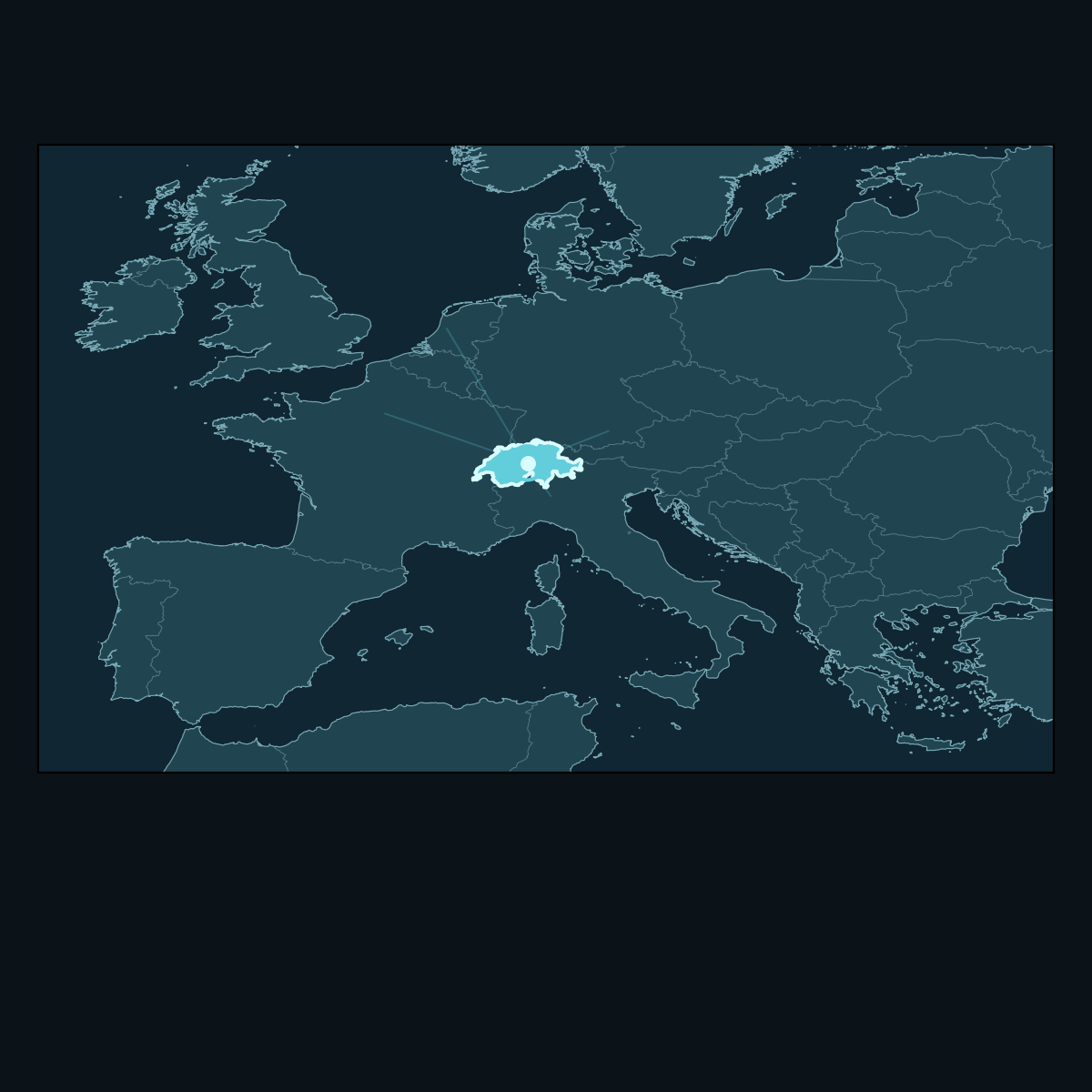
Regional map highlighting Switzerland within its wider geographic context

Jurisdiction profile

Switzerland

CH

Key characteristics

At a glance

Tax
Low corporate tax (canton-dependent); no capital gains tax for individuals
Setup time
2–4 weeks (GmbH/AG); 2–4 months (Foundation)
Cost band
High ($15,000–$40,000+ setup)
Substance
Required (e.g., Swiss-resident director)
Best for
DLT securities, decentralised protocols, institutional blockchain, high-trust environments

The jurisdiction

What it is

Switzerland is more than mountains, clocks and chocolate — it's a global powerhouse for blockchain and DLT innovation, especially in Zug's 'Crypto Valley.' Known for its political neutrality, robust legal system and progressive regulatory approach, Switzerland offers a highly attractive environment for web3 projects, particularly those focused on DLT-based securities and decentralized protocols. This is where you go when you need to build on a rock-solid legal foundation with institutional credibility.

The case for it

Why web3 teams use Switzerland

01

Pioneering DLT legal framework

Switzerland was one of the first jurisdictions to introduce a comprehensive legal framework for DLT-based securities, notably through amendments to its corporate and securities laws (the 'DLT Act'). This provides clear legal certainty for the issuance and transfer of tokenized securities, making it ideal for RWA tokenisation and institutional-grade digital assets.

02

Crypto Valley ecosystem

The canton of Zug, often referred to as 'Crypto Valley,' boasts a vibrant and mature blockchain ecosystem. This includes a high concentration of blockchain companies, specialized service providers, talent, and a supportive government, fostering innovation and collaboration. It's a true hub for web3 development.

03

Useful corporate structures

Switzerland offers highly suitable legal structures for decentralised protocols, most notably Foundations and Associations. Foundations provide a robust, purpose-driven legal wrapper for governing and developing decentralised projects, often used for issuing governance tokens or managing protocol treasuries, aligning with the decentralised ethos. Associations — cheaper and more flexible than foundations — are similarly useful, and gaining particular prominence as DAO legal wrappers.

04

High credibility and investor trust

Switzerland's long-standing reputation for stability, privacy, and financial excellence provides a high degree of credibility and investor trust. This is particularly valuable for web3 projects seeking to attract institutional capital or operate in a highly regulated financial landscape, signaling serious intent.

The constraints

Trade-offs & friction

The strongest jurisdiction on paper may still be the wrong operational fit. These are the issues that usually affect the decision.

High costs

Switzerland is generally a high-cost jurisdiction for company formation, legal services, and ongoing operations. Setup fees can range from $15,000 to $40,000+, and the cost of living and doing business is substantial. This is not for bootstrapped startups.

Substance requirements

Swiss entities are subject to strict substance requirements. Most entities will need at least one Swiss-resident director or board member; AGs will need a majority of the board in Switzerland. This ensures genuine local presence but adds to operational complexity and cost, requiring a real commitment to the jurisdiction.

Complex tax system

While corporate tax rates can be low (especially in cantons like Zug), the Swiss tax system is complex, with cantonal and federal taxes. Careful tax planning is essential, particularly for international web3 projects, and requires expert advice.

FINMA oversight

The Swiss Financial Market Supervisory Authority (FINMA) is a highly respected but stringent regulator. If a web3 project's activities fall under financial market law (e.g., banking, securities dealing, fund management), FINMA licensing will be required, which is a rigorous and lengthy process.

Illustrative role

Place in the multi-entity stack

Swiss entities often serve as the foundational layer for decentralized protocols (foundations or associations) or as the issuer of DLT-based securities (AG/GmbH). They are typically positioned at the core of a multi-entity stack, leveraging Switzerland's legal certainty for tokenized assets and governance structures, while potentially using other jurisdictions for operational entities or specific market access. It's the high-trust, high-compliance component.

Illustrative only. The exact entity stack depends on activities, counterparties, tax position and regulatory perimeter.

Project governance

Founders, protocol or investment strategy

Switzerland entity

Legal personality, governance and asset separation

Operating stack

Contracts, treasury, IP, investment or issuance entities

Decision context

How it compares

No jurisdiction wins on every dimension. Compare the current option against its closest alternatives before deciding where each entity belongs.

Compare all jurisdictions
DimensionSwitzerlandUAE (ADGM/VARA)Liechtenstein
Primary web3 focusDLT-based securities, decentralised protocols, foundations and associationsRegulated web3, institutional digital assetsToken Economy Act, European access
CostHighHighHigh
SpeedModerateModerateModerate
RegulationComprehensive, FINMA-supervised, DLT ActMulti-regulator: FSRA, DFSA and VARAToken Economy Act, FMA-supervised
Web3 use caseDLT securities, protocol foundations, DAO associationsRegulated exchanges, RWA tokenisation, operating companiesEuropean token issuance and tokenised assets

Frequently asked questions

Is Switzerland a good jurisdiction for web3 projects?

Yes, Switzerland is an excellent jurisdiction for web3 projects, particularly those focused on DLT-based securities, decentralised protocols, and foundations. Its clear legal framework, vibrant Crypto Valley ecosystem, and high credibility make it a top choice for institutional blockchain initiatives.

What is the Swiss DLT Act?

The Swiss DLT Act refers to amendments made to various Swiss laws (e.g., securities law, corporate law) that provide a clear legal framework for DLT-based securities. It enables the issuance and transfer of uncertificated securities through DLT registers, significantly enhancing legal certainty for tokenized assets.

How can I use Swiss associations in web3?

Swiss Associations are a popular and highly suitable non-profit governance layer for DAOs. They provide a robust, purpose-driven legal wrapper for governing and developing decentralised projects, often used for issuing governance tokens or managing protocol treasuries.

What are the tax implications for web3 entities in Switzerland?

Switzerland has a competitive tax environment, with corporate tax rates varying by canton (e.g., Zug around 12%). For individuals, capital gains from the sale of private assets (including cryptocurrencies held as private assets) are generally tax-exempt. However, the tax system is complex and requires expert advice.

Do I need a FINMA license for my web3 project in Switzerland?

It depends on your activities. If your web3 project engages in activities that fall under Swiss financial market law (e.g., banking, securities dealing, fund management, operating a payment system), then a license from the Swiss Financial Market Supervisory Authority (FINMA) will be required. FINMA has issued specific guidance on the regulatory classification of tokens.

Building on Switzerland?

From protocol foundations and DAO associations to DLT-based securities issuers, we form and administer Swiss structures end to end — and pair them with more agile jurisdictions where it makes sense.

  • A structuring recommendation, not a sales call
  • Direct answers from people who form these entities
  • No obligation, full confidentiality